 By admin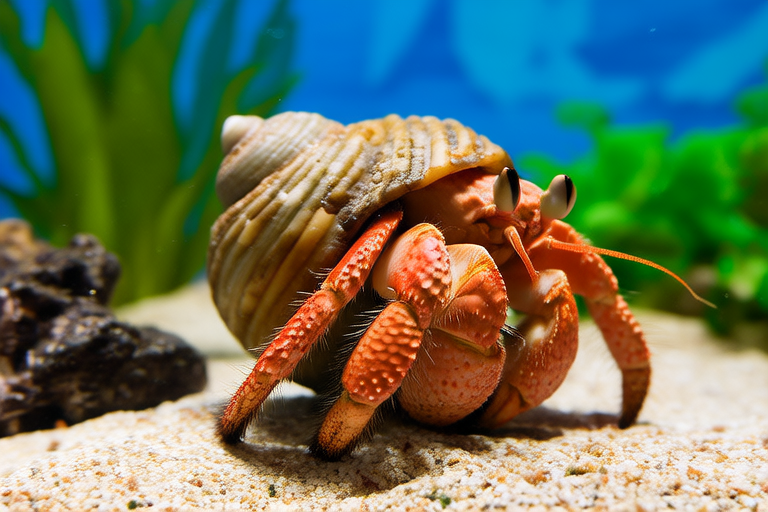
From Beach Bum to Indoor Pet: Transforming Hermit Crabs at Home
Hermit crabs are fascinating creatures that have long captured the hearts of beachgoers with their quirky antics and unique appearance. These crustaceans, native to tropical and subtropical regions, are often found scurrying along sandy shores, scavenging for food and shelter. However, with proper care and attention, hermit crabs can thrive as indoor pets, bringing a slice of the beach into your home. This guide will walk you through the essential steps to transform these beach bums into delightful indoor companions.
Natural Habitat and Behavior
In their natural habitats, hermit crabs are social animals that live in large colonies. They inhabit sandy or rocky beaches, where they search for food and new shells. Hermit crabs are opportunistic feeders, consuming a wide range of organic matter, from decaying plant material to small marine animals. Their most distinctive feature is their reliance on discarded mollusk shells for protection. As they grow, hermit crabs outgrow their shells and must find larger ones to accommodate their expanding bodies. This constant search for new homes makes hermit crabs highly adaptable and resourceful creatures.
Preparing for Your New Hermit Crab Companion
Transforming a hermit crab from a beach bum to an indoor pet requires careful planning and preparation. Before bringing your new friend home, consider the following:
Tank Setup
A well-prepared tank is crucial for your hermit crab’s happiness and health. A ten-gallon tank is suitable for one or two hermit crabs, but larger tanks are recommended for more crabs. The tank should be equipped with a secure lid to prevent escapes, as hermit crabs are excellent climbers. Opt for a glass tank to maintain humidity levels and provide a clear view of your crabs’ activities.
Temperature Control
Hermit crabs require a warm environment to thrive. Maintain a temperature between 75°F and 85°F (24°C and 29°C) in their enclosure. Use a heat lamp or under-tank heater to achieve this temperature range. A thermometer placed inside the tank will help you monitor the temperature and ensure it remains consistent.
Humidity Levels
High humidity is vital for hermit crabs, as they need moisture to breathe through their gills. Maintain a humidity level between 70% and 80%. Achieve this by misting the tank daily, using a spray bottle filled with clean water. Additionally, include a shallow water dish in the tank for drinking and soaking. Sponge-covered rocks or coconut huts can also increase humidity by retaining moisture.
Substrate ChoicesSelecting the right substrate is essential for your hermit crabs’ comfort and safety. Avoid using sand or gravel, as these can cause impaction if ingested. Instead, opt for a mixture of calcium-based substrates, such as crushed coral or aragonite, which helps maintain the correct pH balance in the tank. Layer the substrate to a depth of about four inches to allow for burrowing and molting.
Dietary Needs
Hermit crabs are omnivores, meaning they eat both plant and animal matter. Provide a varied diet that includes fresh fruits and vegetables, protein-rich foods like fish flakes or shrimp, and occasional treats such as dried seaweed or calcium-rich supplements. Ensure that all food items are washed thoroughly before offering them to your crabs. Avoid feeding them processed human foods, as these can be harmful.
Molting and Shell Selection
Molting is a natural process where hermit crabs shed their exoskeletons to grow. During this time, crabs become vulnerable and require a safe, secluded space. Provide several hiding spots within the tank to facilitate this process. Additionally, offer a variety of shells in different sizes and shapes to accommodate growing crabs. Ensure that the shells are clean and free of contaminants, as dirty shells can lead to infections.
Handling and Maintaining Health
When handling your hermit crabs, always wash your hands before and after interaction to prevent the spread of bacteria. Gently pick up the crab using both hands, supporting its body to avoid injury. Regularly clean the tank and replace the substrate every few months to maintain hygiene. Monitor your crabs for signs of illness, such as lethargy, loss of appetite, or unusual behavior. If you notice any concerning symptoms, consult a veterinarian specializing in exotic pets.
Enriching the Environment
To keep your hermit crabs entertained and stimulated, enrich their environment with various toys and accessories. Incorporate driftwood, rocks, and tunnels to create climbing opportunities and hideouts. Provide a shallow water dish for soaking and a saltwater bath once a week to help them maintain their shell’s integrity. Rotate toys periodically to prevent boredom and encourage exploration.
Creating a Thriving Community
Hermit crabs are social creatures that benefit from living in groups. When housing multiple hermit crabs, ensure that the tank is spacious enough to accommodate all residents comfortably. Provide ample hiding spots, feeding areas, and shell options to minimize competition and stress. Introduce new crabs gradually to avoid aggressive behavior, and always supervise interactions during the initial period.
Common Pitfalls to Avoid
While hermit crabs make wonderful pets, there are several common mistakes to avoid. Overcrowding the tank can lead to stress and aggression, so always adhere to the recommended tank size guidelines. Neglecting to provide a diverse diet can result in nutritional deficiencies, so vary their meals regularly. Failing to maintain proper humidity levels can cause respiratory issues, so monitor and adjust as needed. Lastly, avoid using chemicals or harsh cleaning agents in the tank, as these can harm your crabs.
Conclusion
Transforming hermit crabs from beach bums to indoor pets is a rewarding endeavor that requires dedication and care. By understanding their natural habitat and providing a suitable environment, you can ensure that your hermit crabs thrive in their new home. With the right setup, diet, and enrichment, your hermit crabs will bring joy and fascination to your household for years to come. Remember to stay informed about their needs and consult experts when necessary. Happy crabbing!