 By admin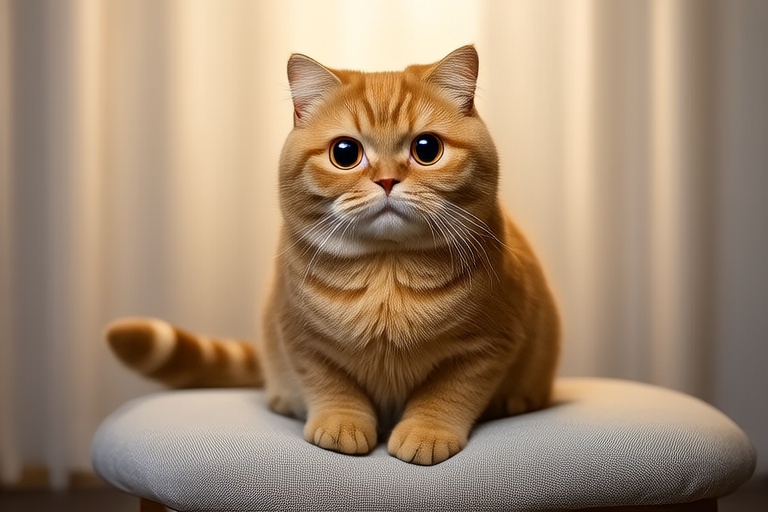
Golden British Shorthairs: The Ultimate Guide to Their Majestic Coats
The British Shorthair, known for its robust physique and plush coat, has been a cherished companion for centuries. Among the various colors this breed exhibits, the golden British Shorthair stands out as a unique and captivating choice. This guide delves into the history, characteristics, and care of these majestic cats, offering valuable insights for both first-time and seasoned pet owners.
Historical Background
The British Shorthair has roots tracing back to ancient Egypt, where it was worshipped as a deity. Over time, it migrated to Britain, becoming a favorite among British aristocracy. These cats were initially bred for their hunting prowess but have since evolved into beloved pets. The golden variant, however, emerged more recently, gaining popularity for its striking appearance and gentle demeanor.
Unique Characteristics of Golden Coats
The golden British Shorthair boasts a coat that ranges from pale cream to deep amber, with each shade adding to its allure. This coat is not only visually stunning but also soft to the touch, thanks to its dense undercoat and thick top layer. The fur is short and lies close to the body, giving the cat a rounded, sturdy look.
Genetic Factors Influencing Coat Color
The golden hue results from a combination of recessive genes that dilute the black pigment, resulting in a range of shades. Breeding two carriers of the dilution gene can produce kittens with golden coats. Understanding genetics is crucial for breeders aiming to maintain or enhance this desirable trait.
Grooming Tips and Coat Care
Maintaining the health and beauty of a golden British Shorthair’s coat requires regular attention. Here are some essential grooming tips:
- Brushing: Use a slicker brush to remove loose hairs and prevent matting. Brush at least once a week, increasing frequency during shedding seasons.
- Bathing: While British Shorthairs generally require minimal bathing, occasional baths with a mild, pH-balanced shampoo can help keep their coat clean and shiny. Be sure to rinse thoroughly and dry completely.
- Nail Trimming: Trim nails every few weeks to prevent overgrowth, which can cause discomfort and scratching damage to furniture.
- Toothbrushing: Incorporate tooth brushing into your routine to maintain oral hygiene, preventing dental diseases that can affect overall health.
Common Coat Issues
Despite their regal appearance, golden British Shorthairs may face certain coat-related challenges:
- Mattes: These occur when dead hair and debris tangle, creating knots. Regular brushing helps prevent this issue.
- Dandruff: Caused by dry skin, dandruff can be managed with dietary supplements and moisturizing shampoos.
- Allergies: Some cats may develop allergies leading to coat irritation. Identifying and avoiding allergens is key to maintaining coat health.
Personality Traits
Golden British Shorthairs are known for their calm, affectionate nature. They are excellent companions, often forming strong bonds with their human families. These cats are patient and playful, making them ideal for households with children or other pets. Their adaptability and easygoing temperament make them perfect for both active and laid-back environments.
Why Their Coat Makes Them Stand Out
The golden coat of the British Shorthair sets them apart from other breeds, offering a blend of elegance and warmth. This distinctive feature, combined with their friendly disposition, makes them highly sought after. Their coats also serve functional purposes, providing insulation and protection against the elements.
Health and Longevity
With proper care, golden British Shorthairs can live up to 15 years. Regular veterinary check-ups, a balanced diet, and a stress-free environment contribute to their longevity. Vaccinations, parasite control, and early detection of potential health issues are vital for maintaining their well-being.
Feeding and Nutrition
A high-quality diet is essential for the health and vitality of a golden British Shorthair. Opt for premium cat food that meets their nutritional needs. Consult with a veterinarian to determine the best diet based on age, weight, and activity level. Fresh water should always be available.
Exercise and Mental Stimulation
While not overly energetic, golden British Shorthairs benefit from regular play sessions. Interactive toys and climbing structures provide mental and physical stimulation, keeping them engaged and healthy. Consider incorporating puzzle feeders to encourage problem-solving skills.
Training and Socialization
Early socialization and training are important for developing well-behaved cats. Positive reinforcement techniques, such as treats and praise, work best. Training can include basic commands like ‘come’ and ‘stay,’ as well as litter box training.
Conclusion
The golden British Shorthair is a magnificent breed, celebrated for its striking coat and amiable personality. By understanding their unique characteristics and providing proper care, you can ensure that your golden British Shorthair remains a healthy and happy companion. Whether you’re a first-time owner or a seasoned cat lover, this guide offers valuable insights into the world of these majestic felines.