 By admin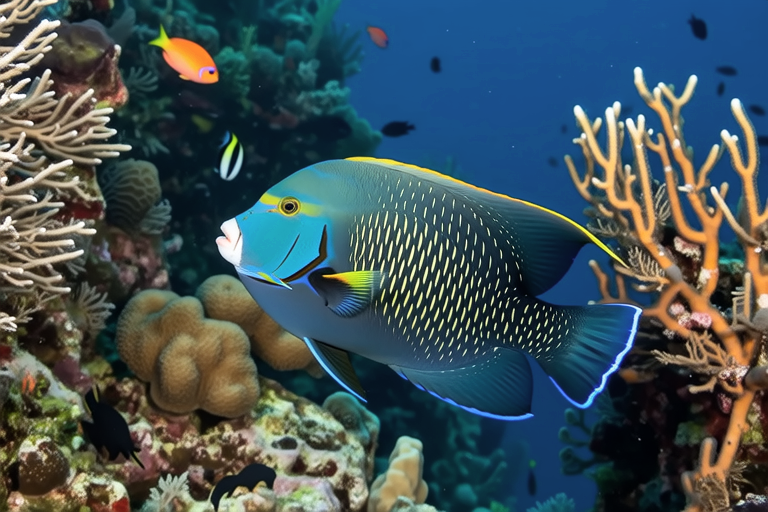
Parrot Fish: A Journey Through Their Life Cycle, Behavior, and Adaptations
The parrot fish is a captivating creature that has long fascinated marine biologists and aquarium enthusiasts alike. These fish, belonging to the family Scaridae, are renowned for their vibrant colors, unique feeding habits, and crucial role in coral reef ecosystems. This article explores the life cycle, behavior, and unique characteristics of parrot fish, from their natural habitat in the ocean to their adaptation in aquarium settings.
Natural Habitat and Distribution
Parrot fish are predominantly found in tropical and subtropical waters around the world, particularly in the Indo-Pacific region and the Caribbean Sea. They inhabit coral reefs, seagrass beds, and rocky shores, where they find shelter and food. Coral reefs serve as the primary habitat for most species of parrot fish, providing a diverse array of prey items and protection from predators. The complex structure of coral reefs offers numerous hiding spots and allows parrot fish to thrive in their intricate ecosystems.
Vibrant Colors and Biological Adaptations
One of the most striking features of parrot fish is their vivid coloration. Adult males often display bright hues of blue, green, and yellow, while females tend to have more subdued tones. Juveniles exhibit different patterns and colors, which help them blend into their surroundings and avoid detection by predators. The vibrant colors of adult parrot fish are not only aesthetically pleasing but also serve important functions in communication and mate selection.
Parrot fish possess several biological adaptations that contribute to their survival in the challenging marine environment. Their thick, bony scales offer protection against predators, while their strong beak-like jaws enable them to scrape algae off coral and rock surfaces. This feeding behavior, known as herbivory, plays a vital role in maintaining the health of coral reefs. Parrot fish also have specialized pharyngeal teeth that crush and grind up the calcium carbonate skeletons of corals, contributing to the formation of sand on tropical beaches.
Feeding Habits and Role in Coral Reef Ecosystems
Parrot fish are primarily herbivorous, consuming a diet of algae, seaweed, and other plant material found on coral reefs. Their feeding behavior involves scraping algae off rocks and coral using their beak-like mouths and grinding it down with their pharyngeal teeth. This process not only provides the fish with nutrients but also helps maintain the balance of algae growth on reefs. By controlling algal overgrowth, parrot fish prevent smothering of corals and promote the overall health of the ecosystem.
The excretion of parrot fish contributes to the formation of sand on tropical beaches. As they digest coral and algae, they produce fine particles of calcium carbonate, which are then excreted as sand. This process, known as bioerosion, is essential for the maintenance of coral reefs and the formation of beach sand. Parrot fish also play a significant role in nutrient cycling within coral reef ecosystems, facilitating the transfer of nutrients between different trophic levels.
Reproduction and Breeding Behaviors
Parrot fish reproduce through a process called broadcast spawning, where males and females release sperm and eggs into the water column simultaneously. This method increases the chances of fertilization and reduces the risk of predation on developing embryos. After fertilization, the eggs hatch into tiny larvae that drift with ocean currents before settling on suitable habitats. Once settled, the larvae undergo metamorphosis, transforming into juvenile fish that resemble adults in terms of body shape and coloration.
Male parrot fish engage in elaborate courtship displays to attract females for mating. These displays may involve changing color, swimming in specific patterns, or producing sounds to signal readiness for reproduction. Males may also establish territories and defend them against rival suitors to ensure access to potential mates. The reproductive success of parrot fish depends on various factors, including population density, environmental conditions, and the availability of suitable habitats for larval settlement.
Adaptation in Aquarium Settings
Parrot fish are popular among aquarium enthusiasts due to their striking appearance and interesting behavior. However, keeping parrot fish in captivity poses several challenges. One of the main issues is providing an appropriate diet that mimics their natural feeding habits. In the wild, parrot fish consume a wide variety of algae and other plant materials, which can be difficult to replicate in an aquarium setting. Aquarists must carefully select and prepare suitable food items to ensure the health and well-being of their parrot fish.
Another challenge in keeping parrot fish in aquariums is creating an environment that meets their specific needs. Parrot fish require ample space to swim and graze, as well as hiding places to feel secure. Providing a diverse range of substrates, such as live rock and coral, can help recreate the complexity of their natural habitats. Additionally, maintaining optimal water quality is crucial for the health of parrot fish, as they are sensitive to changes in temperature, pH, and dissolved oxygen levels.
Challenges in Captivity and Conservation Efforts
Despite their popularity as aquarium pets, parrot fish face several challenges in captivity. Overfishing for the aquarium trade has led to declines in wild populations, particularly in regions where harvesting practices are unsustainable. To address this issue, many countries have implemented regulations on the collection and export of parrot fish, and some organizations have launched initiatives to promote responsible sourcing and husbandry practices.
Conservation efforts for parrot fish focus on protecting their natural habitats and promoting sustainable fishing practices. Marine protected areas (MPAs) provide safe havens for parrot fish and other reef-dwelling species, allowing populations to recover and thrive. Additionally, community-based management programs encourage local fishermen to adopt more sustainable techniques, reducing the pressure on vulnerable populations. Education and outreach campaigns aim to raise awareness about the importance of preserving coral reefs and the role of parrot fish in maintaining ecosystem balance.
Conclusion
Parrot fish are fascinating creatures with unique adaptations that make them well-suited to their marine environment. From their vibrant colors and specialized feeding habits to their crucial role in coral reef ecosystems, these fish offer valuable insights into the complexities of marine biology. Understanding the life cycle, behavior, and challenges faced by parrot fish is essential for ensuring their survival in both wild and captive environments. By supporting conservation efforts and adopting sustainable practices, we can help protect these remarkable animals and the ecosystems they inhabit.