 By admin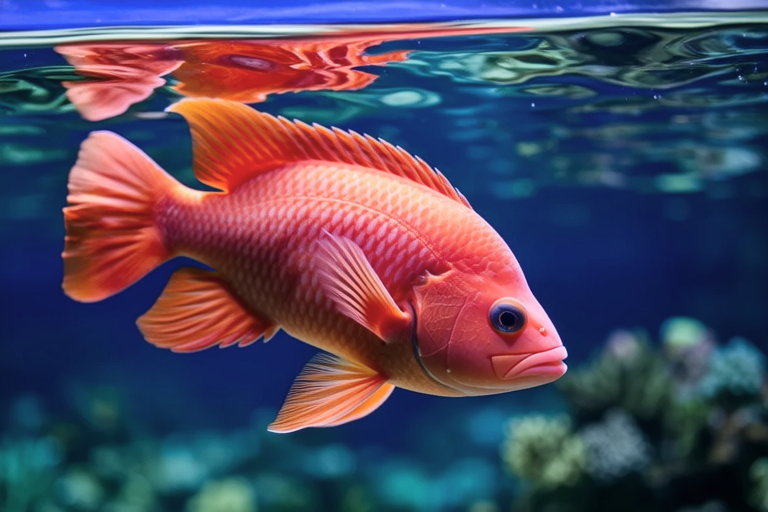
From Ocean Depths to Home Tanks: The Journey of Parrot Fish
The ocean’s vibrant coral reefs are home to a dazzling array of marine life, none more colorful or fascinating than the parrot fish. These captivating creatures, known for their bright hues and distinctive beak-like mouths, play a crucial role in the marine ecosystem. This article delves into the world of parrot fish, exploring their unique behaviors, dietary habits, and the challenges of bringing them from their oceanic homes to domestic aquariums.
The Vibrant World of Parrot Fish in Coral Reefs
Parrot fish, belonging to the family Scaridae, are found in tropical and subtropical waters around the globe. They are particularly abundant in the warm waters of the Pacific and Indian Oceans, where they contribute significantly to the biodiversity of coral reefs. Their striking colors, ranging from electric blues and greens to fiery oranges and reds, make them one of the most visually appealing species in the ocean.
These fish are named for their parrot-like beaks, which they use to scrape algae off coral reefs. Their diet primarily consists of algae, which they consume using their specialized teeth. These teeth are arranged in rows that continuously grow and wear down, allowing the fish to maintain a functional feeding mechanism throughout their lives. Parrot fish also consume small polyps, helping to keep the reef clean and healthy.
In addition to their dietary habits, parrot fish exhibit unique social behaviors. Many species form schools, especially when young, providing protection against predators. As they mature, some species become territorial, staking out specific areas of reef to call their own. Their vibrant colors serve as both a warning to potential predators and a means of communication within their species.
The Role of Parrot Fish in Marine Ecosystems
Parrot fish are essential to the health and survival of coral reefs. By consuming algae, they prevent overgrowth, which can smother and kill corals. This grazing activity also contributes to the formation of sand, as the indigestible parts of the coral and rock they eat pass through their digestive systems and are expelled as fine particles. Over time, this process helps to build and maintain the sandy beaches that protect coastal communities from erosion.
Moreover, parrot fish play a significant role in nutrient cycling within the reef ecosystem. Their feeding activities release nutrients back into the water, promoting the growth of new coral and algae. This creates a balanced and thriving environment for countless other marine species, including smaller fish, crustaceans, and mollusks.
Challenges of Bringing Parrot Fish into Home Aquariums
Despite their appeal, keeping parrot fish in home aquariums presents numerous challenges. One of the primary considerations is the size of the tank. Adult parrot fish can reach sizes of up to three feet, requiring ample space to swim and thrive. A minimum tank size of 200 gallons is recommended for most species, though larger tanks are preferable for the well-being of the fish.
The water quality must also be meticulously maintained. Parrot fish require stable pH levels between 8.1 and 8.4, alkalinity of 8-12 dKH, and a temperature range of 72-82°F. Regular testing and adjustments are necessary to ensure optimal conditions. Additionally, a robust filtration system is essential to manage waste products and maintain water clarity.
Dietary needs present another challenge. In captivity, parrot fish should be fed a varied diet that includes high-quality flake food, pellets, and fresh vegetables like spinach, kale, and nori. It’s important to replicate their natural diet as closely as possible, ensuring that they receive all necessary nutrients. Some hobbyists also offer live foods such as brine shrimp or mysis shrimp to supplement their diets.
Common health issues in captive parrot fish include stress-related diseases, parasitic infections, and nutritional deficiencies. Stress can manifest as loss of color, lethargy, or erratic swimming behavior. Parasites, such as protozoan and trematode infestations, can lead to physical symptoms like lesions or white spots. Ensuring proper quarantine procedures before introducing new fish to an established tank is crucial in preventing the spread of diseases.
Responsible Pet Ownership: Mimicking Natural Habitat
Maintaining parrot fish in home aquariums requires a commitment to replicating their natural habitat as closely as possible. This involves creating an environment that mimics the coral reefs they inhabit, complete with hiding spots, open swimming spaces, and areas for grazing. Incorporating live rock and coral provides not only aesthetic appeal but also functional benefits, offering surfaces for algae growth and hiding places for the fish.
It’s equally important to provide enrichment opportunities that encourage natural behaviors. This can include offering various types of algae-covered rocks for scraping and grazing, as well as providing structures that mimic the complexity of a reef environment. Regular interaction and observation can help detect any changes in behavior that might indicate health issues, allowing for timely intervention.
Responsible pet ownership also involves understanding the long-term commitments involved. Parrot fish can live for up to 20 years in captivity, making them a significant investment of time and resources. Potential owners should research thoroughly, ensuring they have the knowledge and resources necessary to meet the fish’s needs throughout its lifespan.
Finally, it’s essential to consider the ethical implications of removing marine creatures from their natural habitats. While advancements in aquaculture and captive breeding programs are improving, many parrot fish in the aquarium trade are still captured from the wild. Supporting sustainable practices and choosing responsibly sourced fish can help mitigate the impact on wild populations.
Conclusion
The journey of parrot fish from the ocean depths to home tanks is a testament to the beauty and complexity of marine life. Their vibrant colors, unique behaviors, and vital role in coral reef ecosystems make them a fascinating subject for study and admiration. However, the challenges of maintaining these creatures in captivity highlight the importance of responsible pet ownership and the need to replicate their natural habitat as closely as possible.
By understanding and meeting the specific needs of parrot fish, hobbyists can provide a healthy and enriching environment for these remarkable creatures. Ultimately, the care and commitment required to keep parrot fish in home aquariums underscore the importance of respecting and preserving the delicate balance of our oceans.