 By admin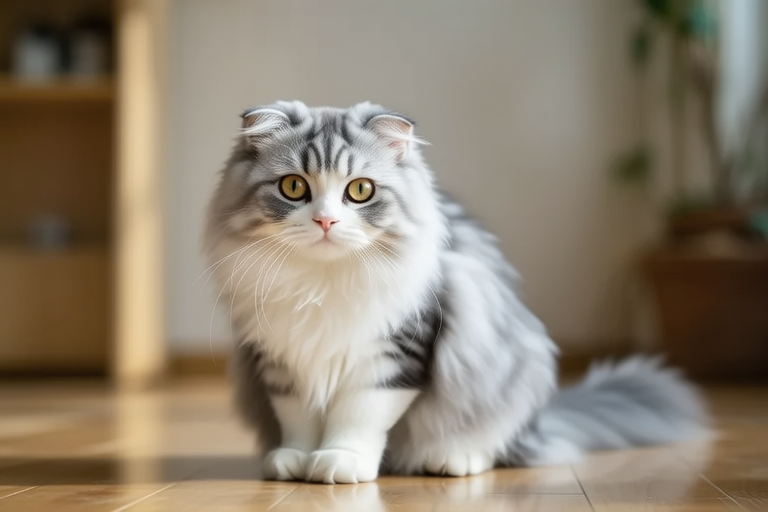
Meet the Fluffy Moppets: Life with a Scottish Fold
Welcome to the delightful world of Scottish Folds! These adorable, fluffy moppets have captured the hearts of many cat enthusiasts. Known for their unique appearance and loving nature, Scottish Folds are a joy to have around. In this article, we will explore the distinctive physical traits, temperament, and common health issues associated with this breed. We’ll also share heartwarming anecdotes and practical advice to help you understand what it’s like to live with a Scottish Fold.
The Unique Physical Traits of Scottish Folds
Scottish Folds are instantly recognizable by their signature folded ears, which give them an endearing and somewhat owl-like appearance. This trait is due to a genetic mutation that affects the cartilage in their ears, causing them to fold forward and downward. Not all kittens born to Scottish Fold parents will have folded ears; some may have straight ears, but they still carry the gene responsible for the fold.
Aside from their ears, Scottish Folds have round faces, large eyes, and a compact body structure. Their fur can come in various colors and patterns, adding to their charm. Their soft, plush coats make them look like walking pillows, and their expressive faces often convey curiosity and affection.
Temperament and Personality
Scottish Folds are known for their gentle and affectionate personalities. They are typically calm and laid-back, making them excellent companions for families and individuals alike. These cats enjoy being close to their human companions and often seek out lap time or snuggling opportunities. Despite their docile demeanor, they are also playful and can be quite active, especially during the early morning and evening hours.
One of the most endearing traits of Scottish Folds is their curiosity. They love to explore their surroundings and can often be found observing everything that goes on in their environment. This curiosity can sometimes lead to amusing situations, such as finding new hiding spots or investigating every nook and cranny in your home.
Common Health Issues
While Scottish Folds are generally healthy, they are prone to certain genetic conditions. The most significant concern is osteochondrodysplasia, a condition affecting the cartilage and bones. This can lead to joint problems, particularly in the tail and legs. Regular veterinary check-ups and a healthy lifestyle can help manage these issues.
Another common issue is obesity, which can exacerbate joint problems. Providing a balanced diet and ensuring adequate exercise are crucial for maintaining your Scottish Fold’s health. Consult with your veterinarian to develop a nutrition plan that suits your cat’s needs.
Daily Life Scenarios: Bonding with Your Scottish Fold
Living with a Scottish Fold can be a rewarding experience filled with moments of joy and laughter. Imagine coming home after a long day at work to find your cat waiting at the door, tail wagging, ready for some attention. Scottish Folds are incredibly social and often greet their owners with enthusiasm.
During the day, you might find your Scottish Fold napping in a favorite spot, perhaps curled up in a cozy blanket or sunbathing on a windowsill. They love to find comfortable places to rest and often create little nests in unexpected locations. You may also catch them watching birds or other outdoor activities through the window, their big eyes full of wonder.
In the evenings, it’s common to see your Scottish Fold participating in playtime. Whether it’s chasing a feather toy or batting at a laser pointer, they enjoy interactive games that keep them mentally stimulated and physically active. These moments of play are great for bonding and strengthening the relationship between you and your feline friend.
Training Tips for Scottish Folds
Training a Scottish Fold can be both fun and rewarding. While they are generally well-behaved, there are a few training techniques that can help you establish a positive relationship with your cat. Positive reinforcement, such as treats and praise, is key to encouraging good behavior. For example, if your cat uses the litter box consistently, reward them with a small treat and verbal praise.
Teaching your Scottish Fold to come when called can be useful for managing their behavior and ensuring their safety. Start by associating a specific word or sound with the reward, and gradually increase the distance between you and your cat. Patience and consistency are essential in this process.
Another important aspect of training is teaching your cat to scratch in appropriate areas. Provide scratching posts or pads and place them near areas where your cat tends to scratch. Encourage your cat to use these items by offering treats or toys nearby. Over time, your cat will learn to associate scratching with these designated areas.
Anecdotes: Heartwarming Moments with Scottish Folds
One heartwarming moment occurred when Sarah, a Scottish Fold owner, was feeling under the weather. Her cat, named Whiskers, seemed to sense her distress and climbed onto her lap, purring softly and nuzzling her hand. Sarah felt a wave of comfort and reassurance, knowing that her furry companion was there for her during her time of need.
Another amusing anecdote involves a Scottish Fold named Buttons, who had a peculiar habit of stealing socks. Every night, Buttons would sneak into his owner’s room and take a sock, tucking it away in a secret hiding spot. His owner, Tom, spent weeks trying to figure out where the socks were disappearing to before finally discovering Buttons’ stash in a closet. Now, Tom always makes sure to put his socks away at night to avoid any more sock thefts.
Advice for Potential Owners
If you’re considering adopting a Scottish Fold, there are a few things to keep in mind. First, ensure that you have the time and resources to provide proper care for your new pet. Scottish Folds require regular grooming, as their thick coats can mat easily. Daily brushing can help prevent this and keep your cat’s coat healthy and shiny.
Second, be prepared for the possibility of joint issues. As mentioned earlier, Scottish Folds are prone to osteochondrodysplasia, so it’s important to provide them with a supportive environment. Use soft bedding and consider ramps or steps to help them access elevated surfaces.
Lastly, remember that every cat is unique, and while Scottish Folds share many common traits, each one has its own personality. Spend time getting to know your cat and adapting to their individual needs. With patience, love, and care, you’ll build a strong bond with your Scottish Fold that will bring years of happiness and companionship.
In conclusion, Scottish Folds are truly special creatures that bring joy and warmth into the lives of those who share their homes. Their unique appearance, gentle temperament, and playful nature make them beloved pets. By understanding their needs and providing proper care, you can ensure a fulfilling and loving relationship with your Scottish Fold. So, if you’re ready for a lifetime of cuddles and companionship, consider welcoming a Scottish Fold into your family.