 By admin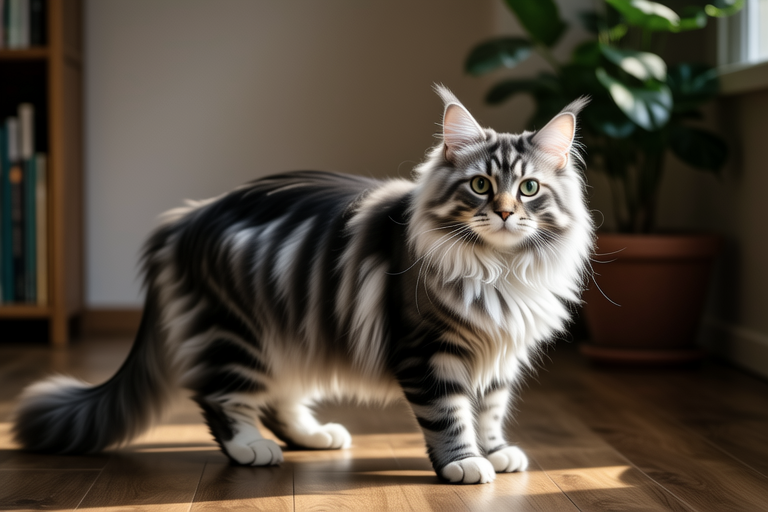
Meet the Gentle Giants: All About Maine Coons
Maine Coons are one of the largest domesticated cat breeds, known for their friendly disposition and striking appearance. These felines have captured the hearts of many with their gentle demeanor and impressive size, earning them the nickname ‘gentle giants.’ This article delves into the unique characteristics of Maine Coons, covering their history, physical traits, temperament, grooming needs, health considerations, and common misconceptions. Whether you’re a seasoned cat owner or considering adding a Maine Coon to your family, this guide will provide valuable insights into these magnificent creatures.
The History of Maine Coons
The origins of the Maine Coon are shrouded in legend and folklore. One popular tale suggests that these cats are descendants of longhaired cats brought to America by Marie Antoinette during her escape from France. Another story involves Vikings, who supposedly brought semi-feral cats to the New World. Despite these colorful tales, the true history of the Maine Coon remains uncertain. What is known is that they are native to the state of Maine, where they adapted to harsh winters and cold climates. Their natural habitat required them to develop a thick, water-resistant coat and robust physique, which has contributed to their distinctive appearance.
Maine Coons were once prized for their hunting abilities, helping farmers control rodent populations. They also gained popularity as show cats in the late 19th century. However, their numbers dwindled in the early 20th century, nearly leading to their extinction. Thankfully, dedicated breeders worked tirelessly to preserve the breed, ensuring its survival and resurgence in popularity today.
Physical Traits
Maine Coons are easily recognizable due to their large size and distinctive features. Adult males typically weigh between 13 to 18 pounds, while females range from 9 to 12 pounds. Some individuals can even exceed these weights, making them among the heaviest domesticated cat breeds. Their bodies are muscular yet agile, perfectly suited for their natural roles as hunters.
One of the most notable physical traits of Maine Coons is their luxurious, water-repellent coat. This dense fur is designed to protect them from the elements, with a longer, shaggier collar around the neck. The coat comes in various colors and patterns, including brown tabby, seal tabby, and cameo, among others. Their large, tufted ears are another hallmark feature, often adorned with lynx-like tufts at the tips. These ears help them detect prey in their natural environment. Additionally, Maine Coons possess large, expressive eyes that come in shades of green, gold, or copper, adding to their charm and allure.
Temperament
Despite their imposing size, Maine Coons are renowned for their gentle and affectionate nature. They are often described as being dog-like in their behavior, displaying loyalty and a desire to be involved in the activities of their human companions. Maine Coons are known to follow their owners around the house, seeking attention and interaction. They enjoy playing fetch and can learn to walk on a leash, making them ideal companions for outdoor adventures.
These cats are generally good with children and other pets, making them excellent additions to multi-pet households. Their patient and tolerant demeanor means they can adapt well to various living situations. However, it’s important to note that Maine Coons require plenty of mental stimulation and physical activity to thrive. Providing them with toys, climbing structures, and interactive play sessions will keep them happy and engaged.
Grooming Needs
While Maine Coons have a reputation for being low-maintenance, their thick coats do require regular grooming. Weekly brushing helps to prevent matting and remove loose hair, reducing the risk of hairballs. During shedding seasons, more frequent brushing may be necessary to manage the amount of hair they lose. Bathing should only be done when absolutely necessary, as excessive bathing can strip their coat of essential oils.
In addition to coat care, it’s important to maintain their dental hygiene. Regular brushing with a cat-safe toothbrush and toothpaste can help prevent dental issues. Trimming their nails every few weeks is also recommended to ensure comfort and safety, especially if they spend time indoors.
Health ConsiderationsMaine Coons: Gentle Giants of the Feline World
Despite their robust appearance, Maine Coons are prone to certain health conditions. One of the most common is hip dysplasia, a condition affecting the hip joint that can cause pain and mobility issues. Responsible breeding practices and genetic testing can help minimize the risk of passing on this condition. Another concern is hypertrophic cardiomyopathy (HCM), a heart disease that can lead to sudden death in some cases. Regular veterinary check-ups and echocardiograms can aid in early detection and management of HCM.
Obesity is another issue that can affect Maine Coons, particularly if they are not provided with sufficient exercise. Maintaining a healthy weight through proper diet and activity levels is crucial for their overall well-being. A balanced diet rich in nutrients and appropriate portion sizes can help prevent obesity-related complications such as diabetes and arthritis.
Common Misconceptions
There are several misconceptions surrounding Maine Coons that are worth addressing. One prevalent myth is that they are difficult to train. In reality, Maine Coons are highly intelligent and trainable, capable of learning tricks and commands with consistent positive reinforcement. Another misconception is that all Maine Coons are hypoallergenic. While some people report fewer allergic reactions to Maine Coons compared to other breeds, no cat is entirely hypoallergenic. The protein Fel d 1, found in saliva and skin secretions, is the primary allergen responsible for cat allergies.
Some people also believe that Maine Coons are not suitable for indoor living. However, with the right environment and enrichment, Maine Coons can thrive indoors just as well as outdoors. Indoor living provides protection from external dangers and ensures a safer, healthier life for these gentle giants.
Closing Thoughts
Maine Coons are truly remarkable animals, combining grace, intelligence, and a gentle spirit. Their large size, striking appearance, and loving nature make them beloved companions for many families. By understanding their unique needs and providing proper care, you can ensure that your Maine Coon lives a long, healthy, and happy life. Whether you’re a first-time cat owner or an experienced pet parent, adopting a Maine Coon can be a rewarding experience that brings joy and companionship into your home.