 By admin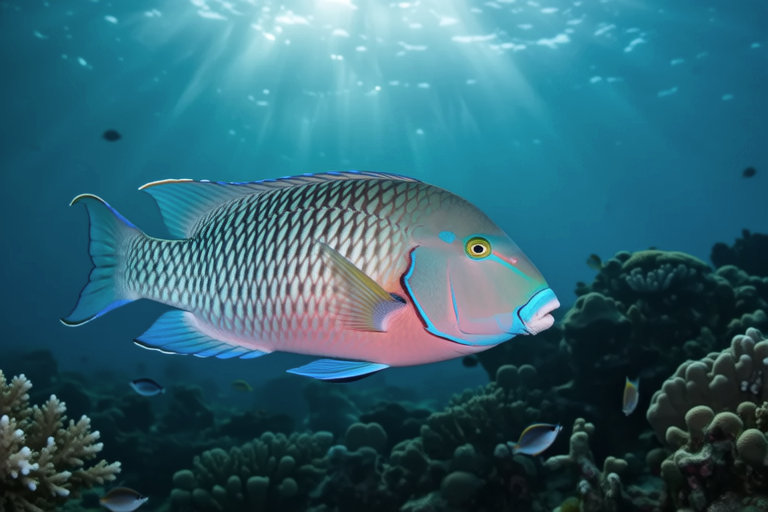
The Vibrant Parrot Fish: Guardians of Coral Reefs
In the vibrant tapestry of marine life, few creatures capture the imagination quite like the parrotfish. These colorful, charismatic fish are not only stunning to behold but also play a vital role in the health and balance of coral reef ecosystems. With their striking hues, unique feeding habits, and complex social behaviors, parrotfish are true underwater artists.
Species Diversity and Colorful Displays
Parrotfish come in an array of dazzling colors and patterns that rival the most spectacular of tropical sunsets. From the electric blues and greens of the Scarus guacamaia (rainbow parrotfish) to the fiery oranges and reds of the Scarus psittacus (red parrotfish), each species offers a breathtaking display of nature’s palette. Their bodies are adorned with intricate scales and bold stripes, making them stand out among the coral reefs.
These fish belong to the family Scaridae and are found primarily in tropical and subtropical waters around the world. Over 90 species have been identified, each with its own distinct characteristics. Some species, such as the Chlorurus sordidus (blue-striped parrotfish), exhibit dramatic color changes as they age or change sex, while others, like the Leptoscarus vaigiensis (yellowtail parrotfish), maintain a consistent hue throughout their lives.
Unique Feeding Habits: Coral Consumption and Sand Production
One of the most fascinating aspects of parrotfish is their feeding behavior. They are herbivores, primarily consuming algae from coral surfaces using their powerful beaks. These beaks are equipped with teeth fused into a single structure, allowing them to scrape away layers of coral and algae with ease. This process, known as bioerosion, plays a critical role in shaping the physical structure of coral reefs.
While it may seem counterintuitive for a fish to consume coral, this activity actually benefits the reef ecosystem. By removing dead coral material and algae, parrotfish help promote the growth of new coral polyps and prevent the overgrowth of algae, which can smother and kill coral. In addition to contributing to reef health, their feeding habits also result in the production of sand. As they digest the calcium carbonate-rich coral, their waste is excreted as fine sand particles, contributing to the formation of beaches and islands.
Reproductive Strategies and Social Behaviors
Parrotfish exhibit a range of reproductive strategies, including both monogamous and promiscuous mating systems. Many species engage in mass spawning events, where large groups of fish release their eggs and sperm simultaneously into the water column. This strategy increases the chances of fertilization and helps ensure genetic diversity within the population.
Social behaviors among parrotfish vary depending on the species. Some, like the Scarus vetula (stoplight parrotfish), form harems consisting of one dominant male and several females. Others, such as the Scarus coelestinus (azure parrotfish), live in large schools and may change sex during their lifetime. In some cases, a female will transform into a male if no dominant male is present in the group.
Interactions with Other Marine Life
Parrotfish play a significant role in the complex web of relationships within coral reef ecosystems. They serve as important prey for larger predators, such as groupers and barracudas, helping to regulate populations and maintain balance within the food chain. Additionally, their feeding activities create microhabitats for smaller organisms, such as shrimp and crabs, which seek refuge among the algae-covered rocks and coral rubble left behind after the parrotfish have grazed.
However, parrotfish also face competition for resources from other herbivorous fish, such as surgeonfish and rabbitfish. These interactions shape the dynamics of coral reef communities, influencing the distribution and abundance of different species.
Challenges and Threats
Despite their importance, parrotfish populations are under threat from various environmental changes and human activities. Habitat destruction, caused by coastal development, pollution, and climate change, poses a significant risk to their survival. Rising sea temperatures and ocean acidification can lead to coral bleaching events, reducing the availability of food sources for parrotfish and negatively impacting their overall health.
Overfishing, driven by both commercial and recreational fishing industries, has also contributed to declines in parrotfish populations. In some regions, parrotfish are highly valued for their meat, leading to unsustainable harvesting practices. The use of fishing methods that target multiple species, such as nets and traps, further exacerbates the problem by catching non-target species, including juvenile parrotfish.
Significance in Maintaining Reef Health
The role of parrotfish in maintaining the health and resilience of coral reefs cannot be overstated. By controlling algal growth and promoting coral recruitment, they contribute to the overall stability of these delicate ecosystems. Healthy parrotfish populations are indicative of thriving coral reefs, serving as an important indicator of ecosystem health.
In addition to their ecological importance, parrotfish also provide economic benefits through tourism and recreation. Scuba divers and snorkelers are drawn to the vibrant colors and dynamic behaviors of these fish, generating revenue for local communities and supporting conservation efforts.
Conclusion
The parrotfish are truly remarkable creatures, whose vibrant colors, unique feeding habits, and complex social behaviors make them a cornerstone of coral reef ecosystems. As guardians of these underwater worlds, they play a vital role in maintaining the balance and health of these diverse and fragile environments. However, their future is uncertain, and urgent action is needed to address the threats they face. By protecting parrotfish and the habitats they depend on, we can help ensure the continued existence of these magnificent creatures and the invaluable services they provide.