 By admin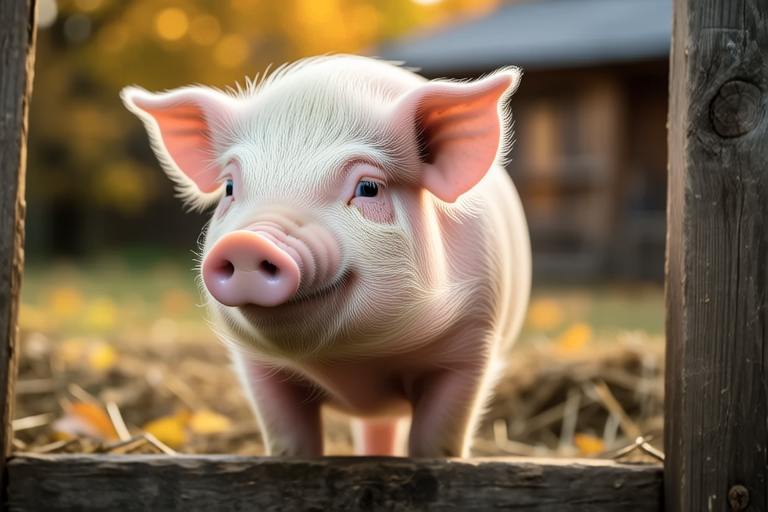
Mini Pigs: More Than Just Cute
Introduction
Mini pigs have gained significant popularity in recent years, often due to their adorable appearance. However, these intelligent creatures have much more to offer than just their looks. Their unique behaviors, dietary needs, exercise requirements, and interaction with humans and other pets reveal a complex animal that requires careful consideration before ownership.
The Intelligence of Mini Pigs
Mini pigs possess impressive cognitive abilities, rivaling those of dogs and primates. They can be trained to perform various tasks and tricks, showcasing their problem-solving skills. Their intelligence is evident in their ability to learn commands, open doors, and manipulate objects within their environment. This makes them highly engaging companions, but also demands a consistent and patient approach from owners to prevent boredom and destructive behavior.
Unique Behaviors
Mini pigs exhibit a range of fascinating behaviors, such as rooting, wallowing, and nest-building. These behaviors serve multiple purposes, including foraging for food, cooling off, and creating comfortable sleeping areas. While these activities are natural for pigs, they can sometimes lead to challenges for pet owners, necessitating proper training and environmental enrichment.
Dietary Needs
Understanding the nutritional requirements of mini pigs is crucial for their health and well-being. A balanced diet should include high-quality pig feed, vegetables, fruits, and limited treats. It’s important to avoid overfeeding, as mini pigs are prone to obesity, which can lead to serious health issues. Owners must carefully monitor their pig’s weight and adjust feeding amounts accordingly. Additionally, fresh water should always be available.
Exercise Requirements
Despite their small size, mini pigs require regular physical activity to maintain good health. Providing ample space for exploration and play is essential, whether it’s an indoor or outdoor area. Interactive toys and puzzles can also stimulate mental and physical engagement. Regular walks on a leash can help mini pigs stay active and socialize with their surroundings. However, it’s important to note that mini pigs may not enjoy long walks like dogs, so shorter, frequent outings are preferable.
Responsibilities of Ownership
Owning a mini pig comes with significant responsibilities, including providing proper care, socialization, and addressing any health concerns promptly. Mini pigs can live up to 15 years, making long-term commitment necessary. They require a safe and stimulating environment, regular veterinary check-ups, and a balanced diet. Training and socialization are vital to ensure they become well-adjusted pets. Owners must also be prepared to handle unexpected situations, such as medical emergencies or behavioral issues.
Common Misconceptions About Mini Pigs
One common misconception is that all mini pigs remain small throughout their lives. In reality, even “mini” breeds can grow to be quite large, potentially reaching weights of 50-70 pounds. Another myth is that mini pigs are low-maintenance pets. While they can be affectionate and entertaining, they require substantial time and effort to care for properly. Additionally, some people believe that mini pigs can be fully house-trained, but this is rarely achievable. Instead, they typically need access to a designated outdoor area for potty breaks.
History of Mini Pigs
The origins of mini pigs trace back to the 1980s when breeders began selectively breeding smaller specimens of pot-bellied pigs. The goal was to create a more manageable pet suitable for apartment living. Over time, various breeds emerged, each with its own characteristics. Today, there are several recognized miniature pig breeds, including the Juliana, KuneKune, and Vietnamese pot-bellied pig. Understanding the breed-specific traits can help potential owners make informed decisions.
Ideal Living Conditions
To thrive, mini pigs need a safe, secure, and spacious living environment. Indoor living spaces should be large enough to accommodate their movement and include areas for sleeping, eating, and playing. Outdoor enclosures should provide shade, shelter, and opportunities for rooting and exploring. Access to clean water and appropriate bedding materials is essential for comfort and hygiene. Additionally, maintaining a consistent routine helps mini pigs feel secure and promotes positive behavior.
Interaction With Humans and Other Pets
Mini pigs are generally friendly and social animals that can form strong bonds with their human families. They enjoy companionship and may seek out attention and affection. Proper socialization during early development is crucial for building trust and ensuring they get along with other pets. Introducing mini pigs to new environments or animals should be done gradually and under controlled circumstances. Positive reinforcement training methods are effective for establishing good relationships and preventing conflicts.
Tips for Potential Owners
Before bringing home a mini pig, prospective owners should research extensively and consult experienced breeders or veterinarians. Visiting pig-friendly facilities or attending pig-related events can provide valuable insights. Preparing the home by creating a designated area for the pig and ensuring all necessary supplies are available is also important. Once the pig arrives, establishing a routine and setting boundaries will help both the owner and the pig adapt to the new lifestyle.
Distinct Personality Traits
Each mini pig has a unique personality shaped by genetics, upbringing, and individual experiences. Some pigs are outgoing and playful, while others may be more reserved or cautious. Recognizing and respecting these differences allows owners to tailor their approach and provide the best care possible. By fostering a positive relationship built on trust and understanding, owners can enjoy a rewarding bond with their mini pig.
Commitment Required
Owning a mini pig is a long-term commitment that demands dedication and responsibility. These intelligent and social animals require consistent attention, proper care, and a supportive environment. The initial excitement of adopting a mini pig should be balanced with realistic expectations about the ongoing responsibilities. With the right mindset and preparation, however, mini pigs can become cherished members of the family.
Conclusion
Mini pigs are more than just a passing trend; they are complex, intelligent animals that deserve thoughtful consideration before adoption. By understanding their unique needs, behaviors, and personalities, potential owners can provide the care and environment necessary for these delightful creatures to thrive. The commitment required for mini pig ownership is substantial, but the rewards of sharing life with such an engaging and loving companion make it worthwhile.