 By admin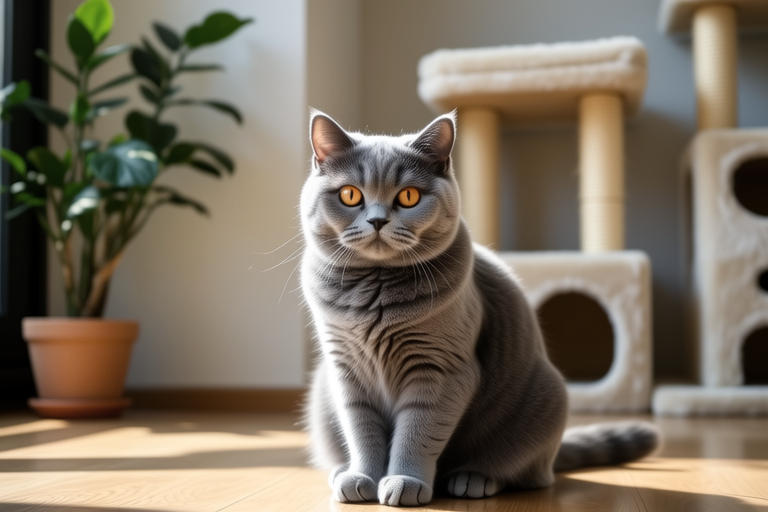
Adopting an American Shorthair: What You Need to Know Before Bringing One Home
Welcome to the world of American Shorthairs! These cats have been cherished companions for centuries, and it’s no wonder why. With their striking appearance, gentle demeanor, and easy-going nature, they’re perfect for families, first-time pet owners, and apartment dwellers alike. This guide will help you understand what it takes to bring one of these beautiful creatures into your home.
The Popularity and Characteristics of American Shorthairs
American Shorthairs are one of the most popular breeds in the United States, and for good reason. They are known for their robust health, even temperaments, and low maintenance needs. Originally bred from domestic shorthair cats that arrived in America with European settlers, this breed has been recognized by the Cat Fanciers’ Association since 1906. Their calm and friendly disposition makes them ideal for households with children and other pets.
Physical Traits
American Shorthairs come in a variety of colors and patterns, but they are most commonly seen in solid colors such as blue, black, and white. They also sport stunning tabby patterns, tortoiseshell, and calico coats. Their medium to large size gives them a sturdy build, and their short, dense fur is soft to the touch. Their wide-set eyes are typically green or copper, adding to their regal appearance. The breed’s broad head and well-developed chin give them a strong, stable look.
Temperament
American Shorthairs are known for their calm and affectionate personalities. They are social animals who enjoy spending time with their human families, yet they are not overly demanding. These cats are generally good with children and other pets, making them excellent additions to multi-pet households. They are also highly adaptable, adjusting well to changes in their environment and routines. Their playful nature often remains intact well into adulthood, ensuring that they stay active and engaged.
Common Health Issues
Despite their overall good health, American Shorthairs can be prone to certain conditions. Hypertrophic cardiomyopathy (HCM), a heart disease, is one of the most serious concerns. Regular veterinary check-ups can help monitor for early signs of HCM. Other common issues include polycystic kidney disease (PKD) and hip dysplasia. By choosing a reputable breeder or adopting from a shelter, you can minimize the risk of inheriting these conditions.
Grooming Needs
The American Shorthair’s short coat requires minimal grooming, which is great news for busy pet owners. Brushing once or twice a week will help remove loose hair and distribute natural oils throughout the coat. Bathing is rarely necessary unless the cat gets particularly dirty. Maintaining clean ears and nails is also important; trim nails every few weeks and gently clean the inside of the ear with a damp cloth if needed.
Dietary Requirements
A balanced diet is crucial for maintaining your American Shorthair’s health. High-quality commercial cat food that meets the nutritional standards set by organizations like AAFCO (Association of American Feed Control Officials) is recommended. Look for foods rich in protein and avoid those with fillers or artificial ingredients. Fresh water should always be available, and treats should be given sparingly to prevent obesity.
Exercise Recommendations
While American Shorthairs are not overly active compared to some other breeds, they still require regular exercise to maintain their physical and mental health. Interactive toys, climbing structures, and play sessions with their owners can help keep them fit and stimulated. Providing scratching posts and cat trees encourages natural behaviors and helps prevent destructive scratching around the house.
The Adoption Process
If you’re considering adopting an American Shorthair, there are several steps to follow. Start by researching local shelters and rescue organizations. Many shelters have specific programs for purebred cats, so ask about any American Shorthairs available for adoption. Alternatively, you can contact breeders through national registries or online forums. When meeting potential cats, spend time getting to know each one’s personality to ensure compatibility with your lifestyle. Be prepared to provide references and undergo a home visit if required by the shelter or breeder.
Tips for Introducing Your New Cat to Your Home and Family
Introducing a new cat to your household can be both exciting and challenging. To make the transition smoother, start by creating a safe space for your new feline friend. A quiet room equipped with a litter box, food, water, and comfortable bedding allows your cat to acclimate at its own pace. Gradually introduce family members and other pets, ensuring that interactions are positive and supervised. Patience is key during this period as your cat adjusts to its new surroundings.
The Long-Term Commitment Involved in Owning an American Shorthair
Owning an American Shorthair is a significant responsibility that comes with many rewards. These cats can live up to 15 years or more, so it’s essential to be prepared for the long-term commitment. Regular veterinary care, proper nutrition, and attention to their emotional needs are all part of providing a happy, healthy life for your pet. As with any relationship, communication and understanding are vital. Spend quality time with your cat, engage in play, and offer affection regularly. In return, you’ll receive unwavering loyalty and companionship.