 By admin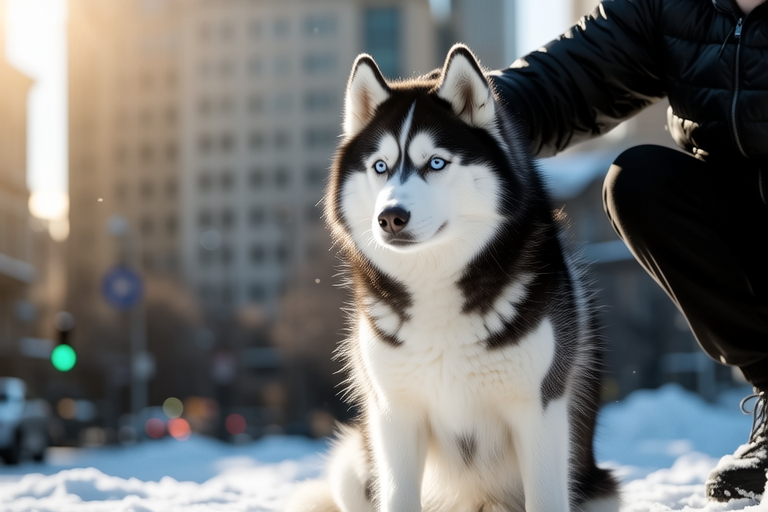
From Snowy Plains to City Streets: Life with a Siberian Husky
Welcome to a journey through the fascinating world of Siberian Huskies, a breed rich in history and unmatched in loyalty. Originating from the harsh, snowy plains of Siberia, these dogs were bred to withstand the extreme cold and pull sleds over vast distances. Today, they have adapted to thrive in various environments, including the bustling streets of cities. This article will explore their history, physical traits, temperament, and the challenges and rewards of owning a Siberian Husky. We’ll also provide practical advice on training, exercise, grooming, and dietary needs, along with personal stories that highlight the unique bond between owner and dog.
The History and Origins of Siberian Huskies
Siberian Huskies trace their ancestry back to the Chukchi people of northeastern Asia. These indigenous tribes relied heavily on huskies for transportation and companionship. Huskies were not just working dogs; they were integral to the survival of the Chukchi people, pulling sleds laden with supplies across the frozen tundra. Their endurance, speed, and resilience made them invaluable assets in this challenging environment.
The breed’s introduction to North America came during the early 20th century when huskies participated in sled dog races. Their success in these events, particularly in the 1925 serum run to Nome, Alaska, brought them into the spotlight. Since then, Siberian Huskies have become popular pets worldwide, adapting well to different climates and living conditions.
Physical Characteristics and Temperament
Siberian Huskies are medium-sized dogs known for their striking blue or multi-colored eyes, thick double coats, and wolf-like appearance. Their muscular build and strong legs enable them to cover long distances at a steady pace. Despite their imposing looks, huskies are gentle giants with a playful and affectionate nature.
One of the most notable traits of Siberian Huskies is their high energy levels. They require ample exercise to stay healthy and happy. Without sufficient physical activity, they can become destructive or overly vocal. Their intelligence and independent streak make them both a joy and a challenge to train. Early socialization and consistent training are essential to ensure they grow into well-behaved pets.
Challenges and Rewards of Ownership
Owning a Siberian Husky comes with its share of challenges. Their thick coats can be a burden in warmer climates, requiring vigilant care to prevent overheating. Additionally, their strong prey drive and tendency to wander can pose risks if not properly managed. However, the rewards far outweigh these challenges. Huskies are loyal companions, always ready to engage in play or offer comfort. Their expressive eyes and playful demeanor bring joy to every day.
Training Tips
Training a Siberian Husky requires patience and consistency. Positive reinforcement methods work best, rewarding good behavior with treats and praise. Early socialization is crucial to help them adapt to different environments and people. Huskies are highly intelligent, so keep training sessions short and engaging to maintain their interest.
Basic commands like ‘sit,’ ‘stay,’ and ‘come’ are essential. Advanced training can include agility exercises or obedience trials, which are great ways to bond with your dog while keeping them mentally stimulated.
Exercise Needs
Huskies need regular, vigorous exercise to maintain their health and happiness. Daily walks or runs are ideal, but they also enjoy activities like hiking, swimming, and playing fetch. Agility courses or obedience trials can provide mental stimulation and additional physical exertion. Providing adequate exercise helps prevent behavioral issues and keeps your husky fit and trim.
Grooming and Dietary Needs
Siberian Huskies have a dense, double coat that requires regular brushing, especially during shedding seasons. Brushing several times a week helps remove loose hair and prevents matting. Bathing should be done as needed, usually once every few months, to avoid stripping their natural oils.
Dietary needs vary based on age, weight, and activity level. A balanced diet rich in protein, fat, and carbohydrates is essential. Consult with your veterinarian to determine the appropriate amount and type of food for your husky. Fresh water should always be available, and supplements may be necessary depending on individual health needs.
Personal Stories and Anecdotes
One owner, Sarah, shared her experience with her Siberian Husky, Max. “Max has been my constant companion for five years. His loyalty and affection are unmatched. He loves nothing more than a long walk in the park or a game of fetch in the backyard. Despite his independent streak, he always comes when called, and his wagging tail says it all.”
Another owner, John, recounted a heartwarming moment. “During a particularly stressful time, Max’s calm presence helped me find peace. His ability to sense my emotions and offer comfort was truly remarkable. He’s more than just a pet; he’s a member of our family.”
Conclusion
Life with a Siberian Husky is a rewarding experience filled with joy, adventure, and companionship. From their origins on the snowy plains of Siberia to their thriving presence in city streets, these dogs have proven their adaptability and resilience. By understanding their physical, emotional, and dietary needs, you can ensure a happy and healthy life for your Siberian Husky. Embrace the challenges and celebrate the rewards, and you’ll find yourself with a loyal friend for life.