 By admin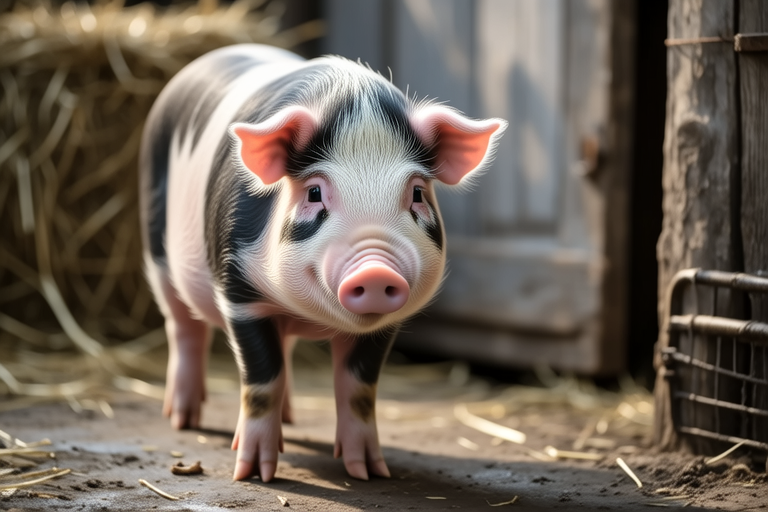
The Hidden Costs of Owning a Mini Pig: Are You Prepared?
Mini pigs have become increasingly popular pets in recent years due to their small size, cute appearance, and seemingly easy maintenance. However, many prospective owners may be unaware of the hidden costs and responsibilities that come with owning a mini pig. This article will guide you through the various aspects of mini pig ownership, including initial setup costs, ongoing care expenses, dietary requirements, healthcare needs, behavioral management, legal considerations, and environmental impact. By understanding these factors, you can make an informed decision about whether you’re truly prepared to welcome a mini pig into your home.
Initial Setup Costs
Before bringing a mini pig home, there are several initial setup costs to consider. One of the most significant expenses is purchasing a suitable enclosure. Mini pigs require ample space to move around comfortably, and depending on your living situation, this could mean constructing an outdoor pen or setting up a large indoor area. Additionally, you’ll need to invest in bedding materials, such as straw or wood shavings, to keep your pig’s living environment clean and comfortable.
Other essential items include feeding dishes, water bowls, and toys. Mini pigs are intelligent animals that enjoy mental stimulation, so providing them with appropriate toys can help prevent boredom and destructive behaviors. It’s also important to purchase proper grooming tools, like brushes and nail clippers, to maintain your pig’s hygiene. Finally, don’t forget about the cost of transporting your new pet from the breeder or adoption agency to your home.
Ongoing Care Expenses
Once your mini pig is settled in, you’ll face ongoing care expenses that add up over time. Regular veterinary check-ups are crucial for maintaining your pig’s health, but they can be costly. Expect to pay for routine vaccinations, parasite control, and annual wellness exams. Dental care is another important aspect of pig maintenance, as pigs are prone to dental issues if not provided with appropriate chew toys or treats.
Feeding your mini pig properly is vital for its overall well-being. High-quality pig-specific feed is necessary to ensure your pet receives all the nutrients it needs. While some owners choose to supplement their pig’s diet with fruits, vegetables, and other snacks, it’s essential to do so carefully and under professional guidance to avoid imbalances or harmful effects. Pet insurance might be worth considering as well, especially given the potential for unexpected medical emergencies.
Dietary Requirements
Mini pigs have specific dietary needs that must be met to ensure their health and longevity. A balanced diet typically consists of commercial pig pellets formulated with the right mix of proteins, fats, carbohydrates, vitamins, and minerals. These pellets should form the core of your pig’s daily intake. In addition to pellets, mini pigs can benefit from fresh vegetables, fruits, and limited amounts of grains. However, certain foods should be avoided altogether, such as avocados, chocolate, onions, and garlic, which can be toxic to pigs.
It’s important to monitor your mini pig’s weight closely, as obesity is a common issue among these animals. Overfeeding or feeding inappropriate foods can lead to serious health problems, including heart disease, joint issues, and reduced lifespan. Consult with a veterinarian or animal nutritionist to develop a feeding plan tailored to your pig’s age, size, and activity level.
Healthcare Needs
Regular healthcare is critical for keeping your mini pig healthy and happy. In addition to routine vet visits, you should stay vigilant for signs of illness or injury. Common health issues in mini pigs include respiratory infections, skin conditions, parasites, and digestive disorders. Early detection and treatment are key to preventing more severe complications.
Vaccinations play a vital role in protecting your pig against preventable diseases. Depending on where you live, your vet may recommend specific vaccines based on local outbreaks or travel plans. Parasite control, both internal and external, is also necessary to safeguard your pig’s health. Flea treatments, heartworm prevention, and deworming medications should be administered according to your veterinarian’s advice.
Behavioral Management
Mini pigs are social creatures that thrive on interaction and attention. Providing plenty of opportunities for exercise and mental stimulation is essential for their emotional well-being. Enrichment activities, such as puzzle feeders, digging pits, and agility courses, can help keep your pig entertained and engaged. Training your pig using positive reinforcement techniques is also beneficial; however, patience is required, as pigs can be stubborn learners.
Proper socialization from a young age helps mini pigs develop good behavior habits and reduces the likelihood of aggression or destructiveness later on. Establishing consistent rules and boundaries early on will make life easier for both you and your pig. Remember that pigs are highly intelligent animals capable of learning complex commands and tricks, making training a rewarding experience for both parties.
Legal Considerations
Before adopting a mini pig, it’s crucial to research local laws and regulations regarding exotic pet ownership. Some areas prohibit keeping pigs as pets altogether, while others impose restrictions on size, breed, or number of animals allowed per household. Familiarizing yourself with these rules ensures compliance and avoids potential fines or legal trouble down the line.
In addition to local ordinances, consider any zoning laws that might affect housing multiple animals in your property. If you rent rather than own your home, verify whether your landlord permits pets and obtain written permission if needed. Understanding all relevant regulations beforehand prevents unnecessary stress and complications once your new family member arrives.
Environmental Impact
Mini pigs contribute significantly to their environment through waste production. Proper disposal of feces and urine is essential not only for hygiene but also to minimize odor and attract pests. Establishing a designated waste area outside minimizes mess inside the house and keeps the living space pleasant for everyone involved.
Additionally, mini pigs tend to root around in search of food or entertainment, which can damage plants and landscaping efforts. Installing physical barriers or redirecting their rooting behavior towards less sensitive areas helps protect your garden while satisfying their natural instincts. Providing alternative outlets for rooting, such as sandboxes filled with safe materials, allows pigs to engage in this activity without causing harm.
Commitment Level Required
Owning a mini pig requires a substantial time commitment from its owner. These animals demand regular attention, care, and interaction to remain happy and healthy. The initial excitement of having a new pet often fades over time, leaving owners feeling overwhelmed by the ongoing responsibilities.
To ensure long-term success, it’s wise to assess your current lifestyle and determine how well it aligns with raising a mini pig. Consider factors like work schedule, travel frequency, and existing commitments before committing to this lifelong companionship. Being realistic about what you can offer financially, emotionally, and physically prepares you for the challenges ahead and increases the chances of a harmonious relationship between human and animal.
Tips for Potential Owners
For those who feel confident in their ability to meet the demands of mini pig ownership, here are some practical tips:
- Research extensively: Learn everything you can about mini pigs before making any decisions. Read books, watch videos, join online communities, and consult professionals who specialize in pig care.
- Visit reputable breeders: Meet with experienced breeders who prioritize ethical breeding practices and provide support after adoption. Avoid impulse buys from unscrupulous sellers offering “guaranteed” miniature sizes.
- Prepare adequately: Set up a comfortable living space, stock up on supplies, and arrange for reliable transportation before bringing your new friend home.
- Stay proactive: Monitor your pig’s health closely, address behavioral concerns promptly, and seek expert advice whenever needed.
- Seek support: Connect with fellow pig owners through local clubs or online forums to share experiences, exchange tips, and gain valuable insights.
By following these guidelines and maintaining open communication with your pig, you set yourself up for a fulfilling partnership built on trust and mutual respect.
Resources for Further Education
There are numerous resources available for individuals looking to deepen their knowledge about mini pig care:
- Books: Titles such as “The Mini Pig Handbook” by Dr. Susan Brown and “Pigs for Life” by Karen Corey offer comprehensive guides covering every aspect of pig ownership.
- Websites: Websites like Mini Pig Central and Pig Retriever provide valuable information, forums, and directories connecting people with experienced breeders.
- Local groups: Joining a nearby pig club or attending regional events allows you to network with other enthusiasts and learn firsthand from those already immersed in the world of mini pig ownership.
Armed with this wealth of information, you’ll be better equipped to navigate the joys and challenges of sharing your life with a mini pig.